
Hire Skip Services for Office and Business Waste Management Today
Keeping commercial premises clean and organised is an important part of running any successful business. Whether clearing old office furniture, replacing workstations, renovating retail premises or carrying out routine maintenance, waste can quickly accumulate if it is not managed properly. Effective waste removal helps maintain a safer environment, supports productivity and allows projects to progress without unnecessary disruption.
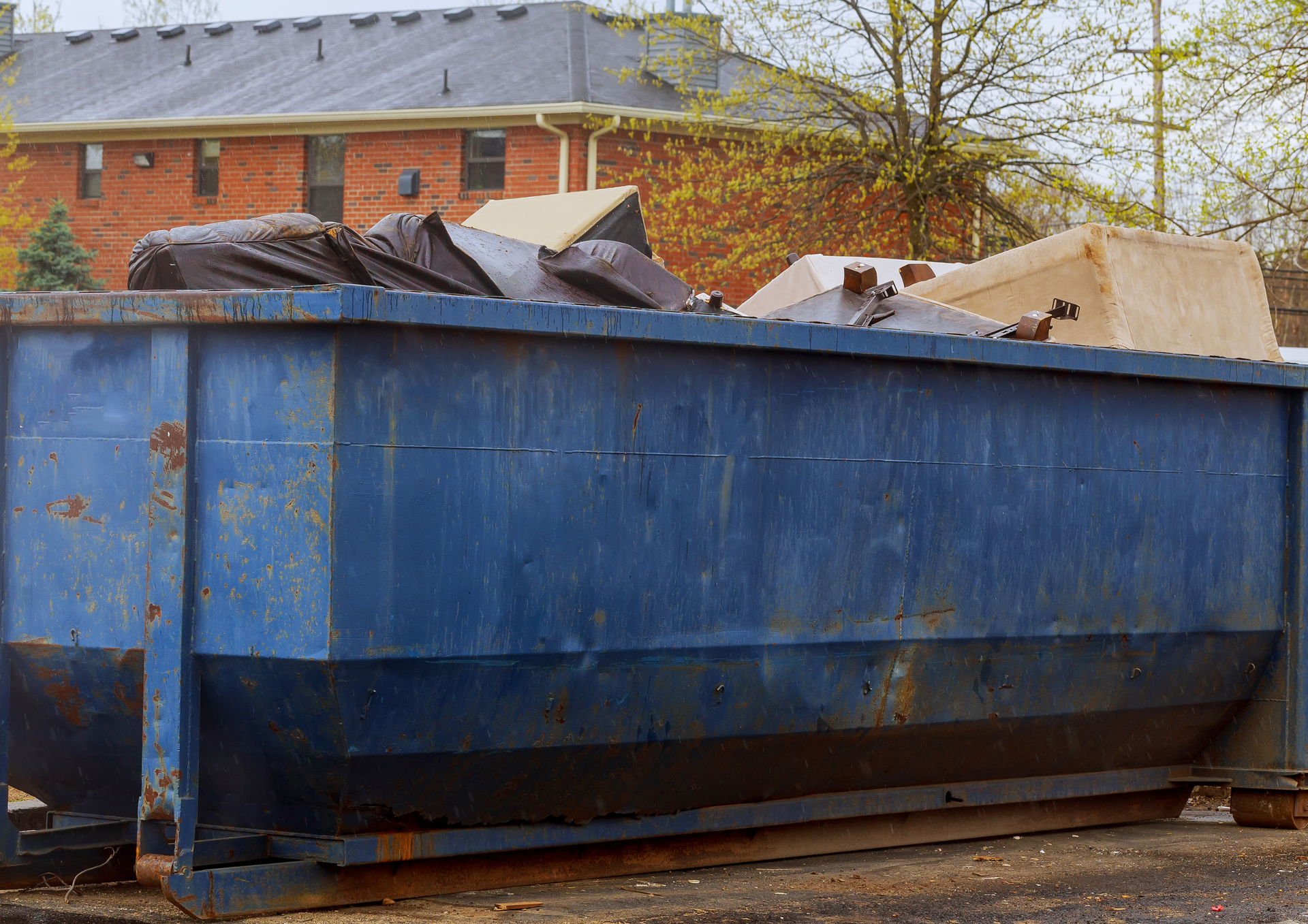
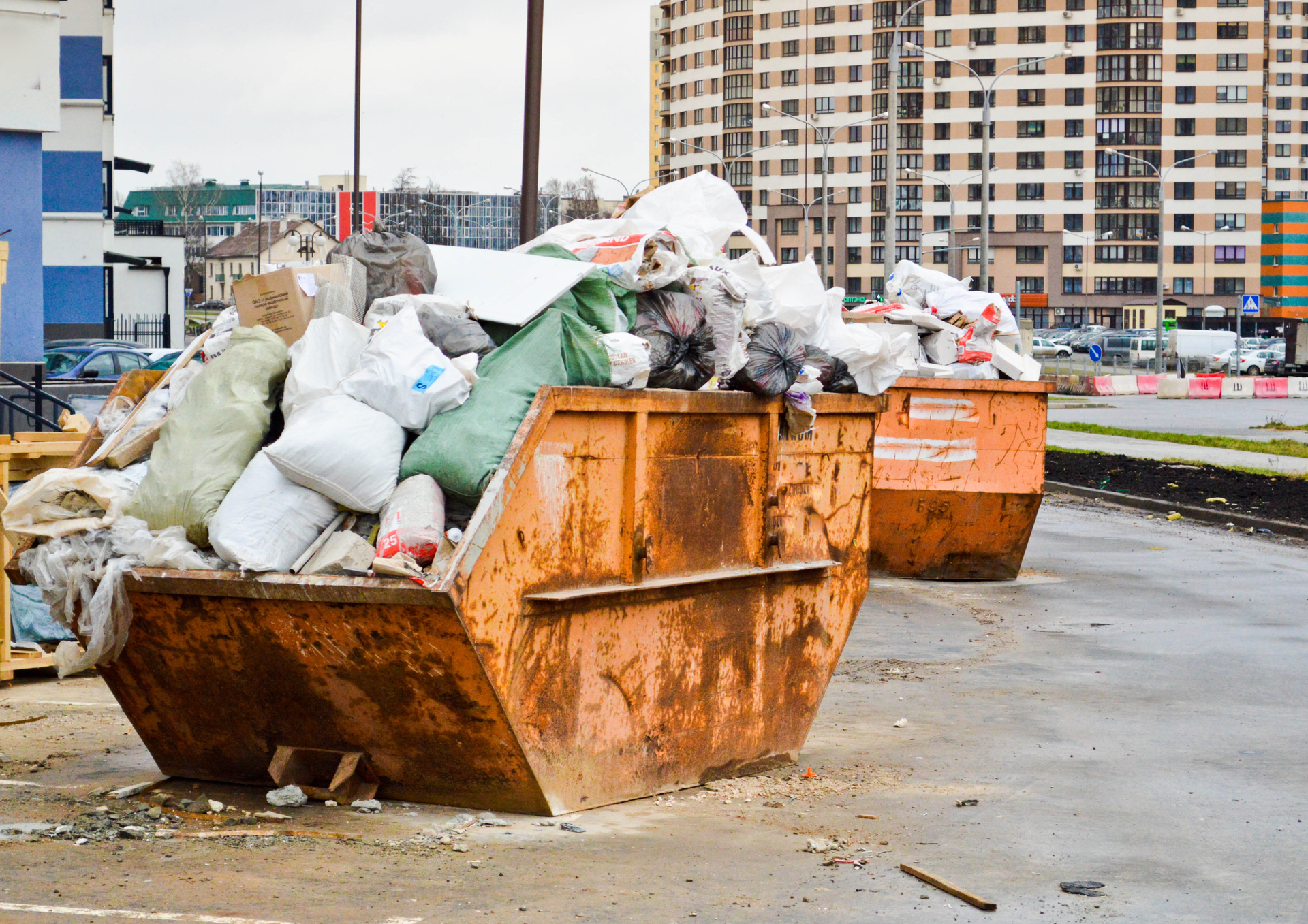
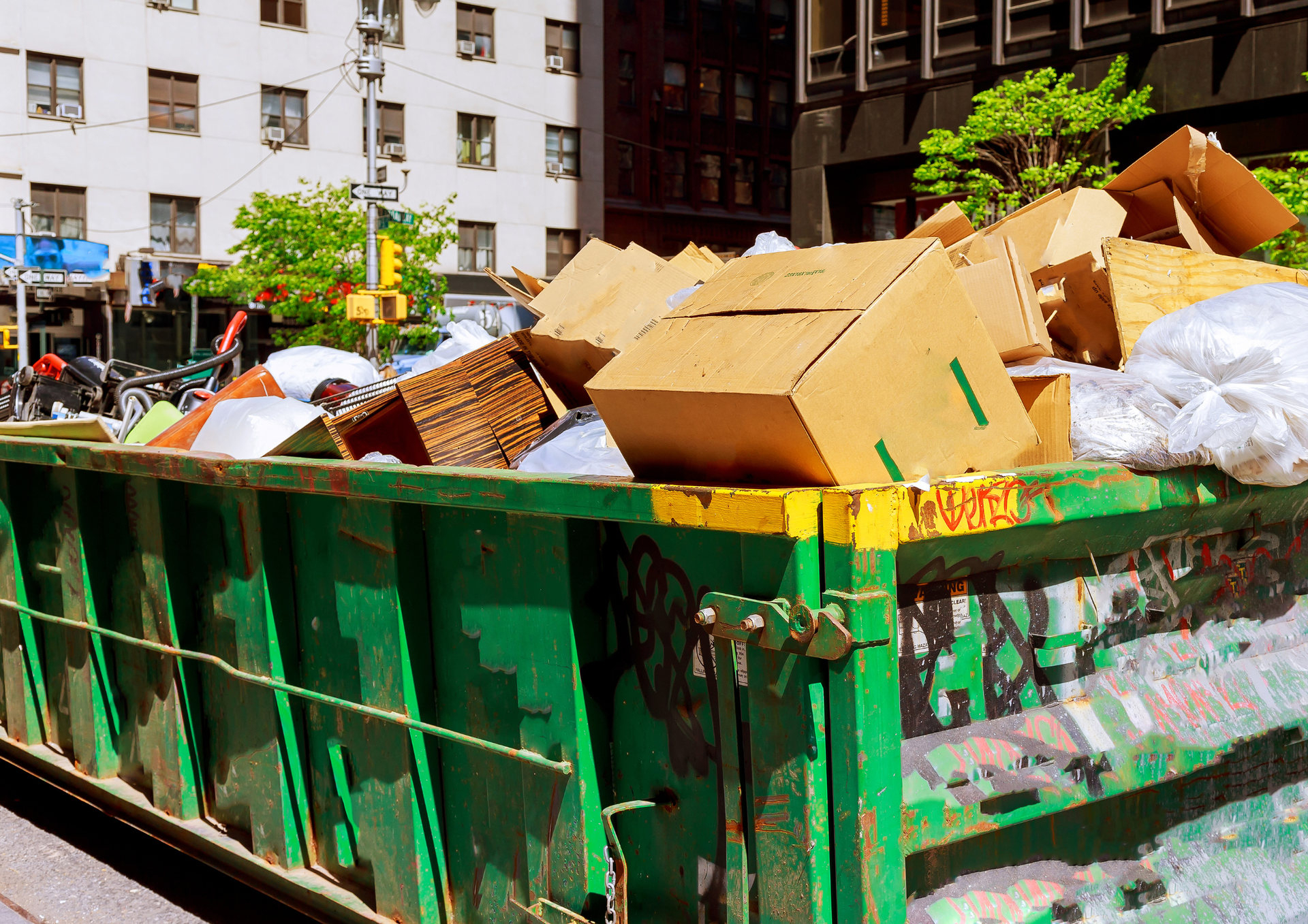
Many organisations generate a surprising amount of waste during refurbishment projects, office relocations and seasonal clear-outs. Paper, cardboard, packaging materials, shelving, unwanted fixtures and broken equipment all require careful handling. Choosing to hire skip services provides a practical solution that allows waste to be collected in one convenient place before being removed responsibly.
Businesses of every size can benefit from planning waste management before work begins. Whether the project involves a single office, an industrial unit, a retail premises or a multi-storey commercial building, having suitable waste facilities available helps reduce delays while keeping working areas tidy throughout the project.
Planning Commercial Waste Removal Before Work Begins
Successful waste management begins long before the first item is removed. Every office clearance, refurbishment or renovation project benefits from careful planning to determine how much waste is likely to be produced and how it will be managed throughout each stage of the work.
Many businesses underestimate the volume of waste generated during improvement projects. Filing cabinets, desks, chairs, carpets, suspended ceilings, partition walls, electrical fittings and packaging materials can quickly occupy valuable working space if waste removal has not been organised in advance. A planned approach helps maintain cleaner work areas while allowing contractors and employees to move around more efficiently.
The nature of the project often determines the type of waste produced. Office refurbishments may generate timber, plasterboard, metal framing, flooring materials and outdated office furniture. Retail premises may produce display units, shelving, signage and large amounts of cardboard packaging. Warehouses frequently involve pallets, storage systems and damaged materials that require responsible disposal.
Businesses should also consider how long the project is expected to last. Short improvement works may require waste collection for only a few days, while larger refurbishment programmes can continue for several weeks. Matching waste facilities to the overall project schedule helps avoid unnecessary interruptions while ensuring waste does not build up faster than it can be removed.
Site access also plays an important role when planning commercial waste removal. Delivery vehicles require adequate space for positioning skips safely, while businesses must consider staff parking, delivery routes and pedestrian access. Early planning allows suitable locations to be identified before work begins.
Environmental responsibility has become increasingly important for organisations of every size. Many businesses actively seek ways to reduce unnecessary landfill waste by separating recyclable materials wherever possible. Paper, cardboard, metals, untreated timber and certain plastics can often be processed through appropriate recycling streams, helping organisations support wider sustainability objectives while maintaining efficient waste management practices.
Communication between project managers, contractors and waste providers also contributes to smoother operations. Everyone involved benefits from understanding when waste collections will take place, which materials are being removed and how waste should be separated throughout the project.
For organisations searching online for skip hire near me, choosing a provider with local knowledge can help simplify scheduling while ensuring collections and deliveries fit around project requirements without unnecessary delays.
Choosing the Right Skip for Different Business Projects
Choosing the right skip is one of the most important decisions when planning office or business waste removal. Every project generates different types and volumes of waste, so selecting an appropriate skip from the outset helps maintain an organised site, improves efficiency and supports smoother day-to-day operations. The following considerations can help determine which option is best suited to your project.
Project Type
- Small office clearances generally produce paperwork, packaging, broken office chairs and everyday workplace waste.
- Office refurbishments may generate flooring, partition walls, kitchen units, shelving, ceiling materials and other renovation debris.
- Industrial premises often create larger volumes of waste depending on the scale and nature of the work.
Choosing the Right Capacity
- Consider the expected amount of waste before work begins.
- Smaller skips are often suitable for routine office clearances and minor projects.
- Larger projects usually benefit from higher-capacity skips that can accommodate bulkier materials.
- Matching the skip size to the anticipated waste volume helps reduce unnecessary collections and keeps the project running efficiently.
Considering Waste Weight
- Some waste materials take up little space but can be significantly heavier than expected.
- Bricks, concrete, tiles and soil require different planning compared with lighter materials such as cardboard, office furniture and plastic packaging.
- Estimating both the volume and weight of waste helps ensure effective waste management throughout the project.
Skip Placement
- Position the skip as close as practical to the working area.
- Avoid blocking entrances, loading bays or emergency access routes.
- Convenient placement encourages regular disposal of waste as work progresses.
Managing Larger Commercial Projects
- Multi-phase refurbishments may require several scheduled collections.
- Planning deliveries and collections in advance helps prevent waste from accumulating.
- Coordinated waste management supports continuous progress across different stages of the project.
Maintaining Good Housekeeping
- Dispose of waste regularly instead of allowing it to build up.
- Keeping workspaces clear improves organisation and allows contractors to move around more easily.
- Cleaner sites help projects remain productive from start to finish.
Learning from Previous Projects
- Review the types and quantities of waste generated during earlier projects.
- Use previous experience to estimate future waste requirements more accurately.
- Improved planning helps businesses choose suitable waste solutions for upcoming refurbishments and office clearances.
Maintaining Efficient Waste Management Throughout Commercial Projects
Effective waste management does not end once a project begins. Keeping waste under control throughout the work helps maintain a cleaner, safer and more organised environment for everyone involved. By following a structured approach, businesses, homeowners and property professionals can minimise disruption while allowing projects to progress efficiently.
Dispose of Waste Regularly
- Remove waste consistently rather than waiting until the project is complete.
- Regular disposal prevents waste from accumulating and taking up valuable working space.
- Smaller, frequent clear-outs make it easier to separate recyclable materials where appropriate.
Remove Unwanted Fixtures Promptly
- Dispose of old desks, filing cabinets, shelving, storage units and office furniture as soon as they are no longer needed.
- Prompt removal creates additional working space for contractors and new installations.
- Keeping work areas clear helps refurbishment projects progress more efficiently.
Manage Packaging Waste
- Cardboard, plastic wrapping, timber pallets and protective packaging can quickly build up during deliveries.
- Regularly removing packaging materials keeps workspaces organised and reduces unnecessary clutter.
- Good housekeeping supports smoother day-to-day operations throughout the project.
Supporting Commercial Property Projects
- Landlords benefit from clearing unwanted materials before preparing premises for new tenants.
- Surveyors can carry out inspections more efficiently when walls, ceilings and structural features remain easily accessible.
- Local authorities managing public buildings and community facilities can maintain better organisation across multiple contractors by coordinating waste removal effectively.
Residential Renovation Projects
- Homeowners completing kitchen refurbishments, loft conversions, extensions or full property renovations benefit from removing waste throughout each stage of the work.
- Regular waste management keeps living areas more organised and allows tradespeople to work with fewer interruptions.
Looking Beyond Cost
- When comparing skip hire prices, consider more than the initial quotation.
- Factors such as availability, collection schedules, customer service and suitability for the project all contribute to overall value.
- Choosing a service that matches your project requirements can help work continue with fewer delays.
Maintain Clear Communication
- Keep contractors, property managers and waste providers informed about collection schedules.
- Review waste levels regularly to determine whether additional capacity is required.
- Good communication helps projects remain organised from start to finish while reducing unnecessary disruption.
Supporting Sustainable Waste Disposal for Long-Term Success
Responsible waste management extends beyond simply removing unwanted materials from a property. Choosing to hire skip services provides a practical way to manage waste throughout refurbishment, office clearance and maintenance projects while creating opportunities to reduce waste, encourage recycling and make better use of available resources wherever practical.
Many commercial materials retain value after removal. Metals can often be recycled into new products, untreated timber may be processed for reuse, cardboard can be recycled into new packaging and certain plastics can enter specialist recycling streams. Separating suitable materials supports responsible waste handling while reducing unnecessary disposal.
Businesses are increasingly considering environmental responsibilities when planning improvement projects. Waste reduction strategies often begin before work starts by identifying items that can be reused, refurbished or donated rather than discarded. Furniture in good condition, shelving systems and office equipment may continue serving useful purposes elsewhere.
Planning deliveries carefully can also reduce waste generation. Ordering materials in appropriate quantities helps minimise excess packaging while avoiding unnecessary surplus products that require disposal at the end of the project.
Employees play an important role in maintaining good waste management practices. Providing clear guidance on where different materials should be placed encourages greater consistency throughout the workplace and supports more efficient collection processes.
Commercial property owners frequently schedule refurbishment programmes over several years. Reviewing waste management performance after each project allows future improvements to be made, helping organisations estimate waste volumes more accurately and refine their planning for subsequent developments.
Residential projects benefit equally from thoughtful waste management. Whether clearing a garage, renovating a kitchen or modernising an entire property, careful organisation allows work to proceed with fewer interruptions while maintaining cleaner living spaces throughout the project.
Some projects involve waste that requires additional handling considerations, making early planning particularly valuable. Identifying these materials before work begins allows suitable arrangements to be made, reducing delays once refurbishment is underway.
Businesses planning future developments may also find it practical to rent a skip as part of their overall project preparation, ensuring suitable waste facilities are available from the very beginning instead of reacting once waste starts accumulating.
Good waste management is ultimately about supporting efficient, well-organised projects. By planning carefully, selecting appropriate waste solutions and maintaining tidy working environments, organisations can complete office clearances, refurbishments and property improvements more effectively while creating spaces that are ready for their next purpose.
At
Skip Hire Crewe, we aim to make waste management straightforward for homeowners, landlords, surveyors, local authorities and businesses undertaking projects of every size. We understand that every clearance, refurbishment and renovation has different requirements, which is why we focus on providing practical waste solutions supported by dependable service and clear communication.
Our website offers helpful guidance alongside straightforward information to help customers make informed decisions before they hire skip services for their projects. Whether managing a small property improvement or a large commercial clearance, we are committed to helping customers keep their projects organised through reliable waste management solutions and professional support.
Our latest X update explains how
hire skip services support office and business waste
You might also like