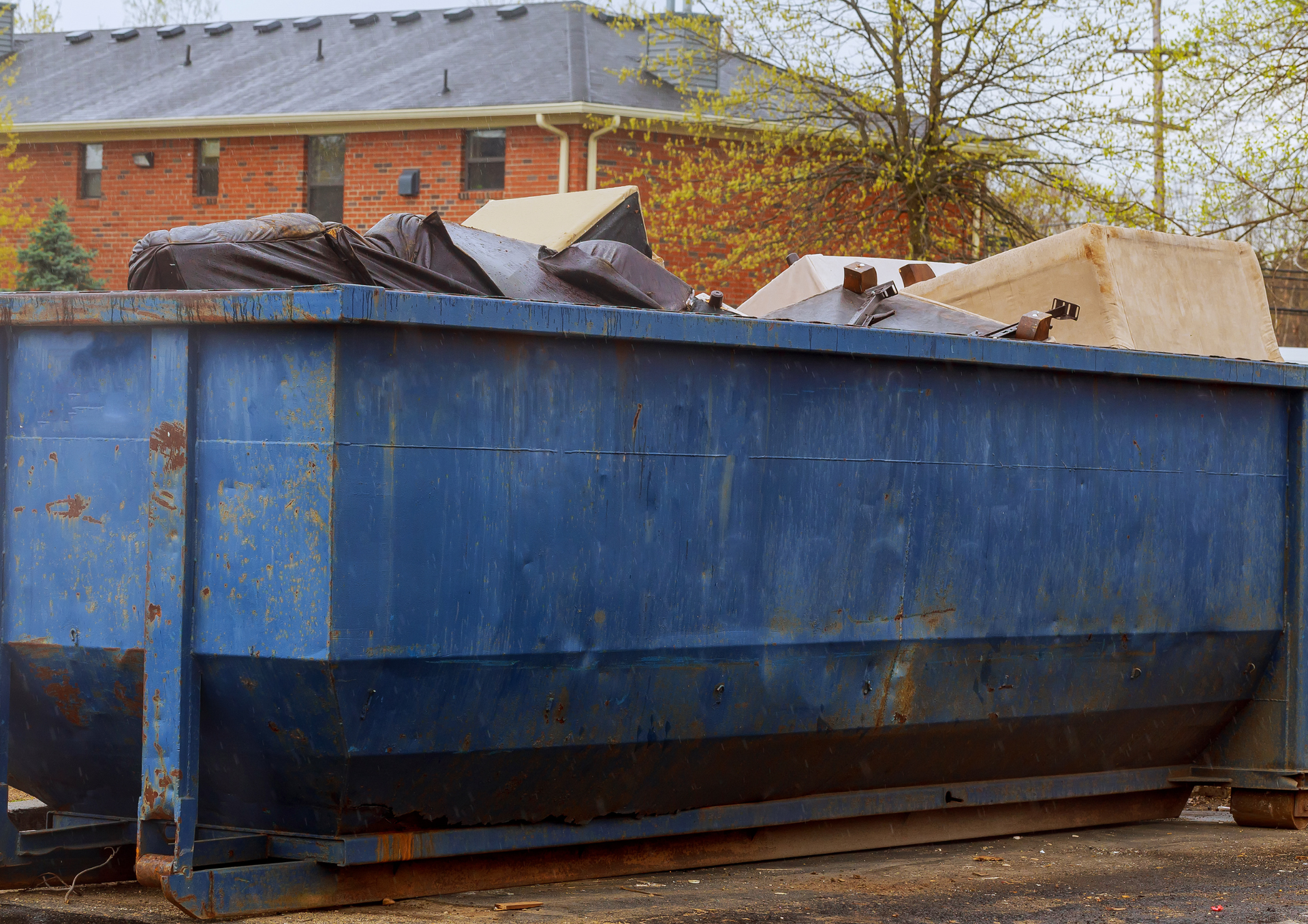
Why Skips Are a Practical Choice for Managing Renovation Waste Today
Renovation projects can transform the appearance, functionality and value of a property, but they also generate considerable amounts of unwanted material. From removing outdated kitchen fittings to replacing flooring, renovating bathrooms or undertaking larger structural improvements, managing waste effectively is an essential part of keeping work organised. Without a suitable disposal plan, rubbish can accumulate quickly, creating obstacles that affect productivity, accessibility and the overall progress of a project.
Using skips provides a practical way to collect renovation debris in one designated location, reducing the need for repeated journeys to disposal facilities. This approach allows homeowners, landlords, surveyors, local authorities and commercial property managers to maintain more organised working environments while concentrating on completing improvements.
Renovation waste can include timber, plasterboard, broken tiles, packaging, old fixtures and other materials that require appropriate handling. Understanding how these materials should be collected and disposed of helps reduce unnecessary disruption while supporting responsible waste management practices.
For properties throughout Crewe and surrounding communities, choosing an appropriate waste disposal solution can make renovation work easier to coordinate. Whether improving a residential property, preparing rental accommodation for new occupants or managing a commercial refurbishment, careful planning helps ensure waste removal supports the project rather than becoming an additional challenge.
Understanding Why Waste Containers Are Useful During Renovations
Renovation work produces different types and quantities of waste depending on the property, materials being removed and scale of the improvements. Having a designated collection point allows unwanted materials to be managed systematically rather than scattered around the site.
The following categories explain how suitable waste containers support different renovation requirements.
Household Renovations
- Kitchen refurbishments frequently involve removing cupboards, worktops, flooring and outdated fixtures that require organised disposal.
- Bathroom improvements can generate broken tiles, sanitary fittings, packaging and other renovation materials.
- Interior decorating and flooring replacement projects benefit from having a designated area for unwanted materials.
- Keeping debris contained helps homeowners maintain access to important parts of their property throughout the work.
Rental Property Improvements
- Landlords preparing accommodation for new tenants may need to remove old furniture, damaged fittings and leftover refurbishment materials.
- Property maintenance programmes often involve several rooms, making organised waste collection particularly valuable.
- Arranging suitable disposal capacity helps reduce disruption between different stages of refurbishment.
- Clear working areas allow contractors to complete repairs and improvements more efficiently.
Commercial Refurbishments
- Offices, retail premises and other commercial buildings can produce substantial quantities of waste during internal improvements.
- Removing outdated fixtures, shelving, partitions and flooring requires careful coordination.
- Dedicated collection arrangements help maintain accessibility for contractors and authorised personnel.
- Planned waste removal supports more efficient project scheduling and site management.
Planning Disposal Requirements
- Estimate the volume of unwanted material before demolition or refurbishment begins.
- Identify whether different waste types require separate collection or specialist handling.
- Consider delivery access, available placement space and the expected duration of the work.
- Customers preparing to order a skip should confirm the required capacity and acceptable waste materials before arranging delivery.
Supporting Responsible Waste Handling
- Separating recyclable materials where practical helps improve the efficiency of waste processing.
- Timber, metals and certain construction materials may be suitable for recovery through appropriate facilities.
- Hazardous materials, including asbestos, require specialist arrangements and should not be placed in ordinary waste containers.
- Clear guidance from the provider helps customers understand restrictions and avoid unsuitable disposal practices.
Planning these considerations early allows renovation waste to be managed more consistently throughout the project. It also reduces the likelihood of unexpected interruptions caused by insufficient capacity or unsuitable disposal arrangements.
How Proper Waste Management Improves Renovation Efficiency
Effective waste management plays an important role in maintaining progress throughout renovation work. Although attention is often focused on construction materials, contractors and completion dates, the way unwanted materials are handled can significantly influence how efficiently a project develops.
One of the main advantages of hiring a skip is having a designated collection point available throughout the agreed hire period. Instead of allowing debris to accumulate in different rooms, gardens or access areas, unwanted materials can be transferred to a suitable container as work progresses. This helps maintain order and reduces the amount of time spent repeatedly moving rubbish.
An organised working environment is particularly important when several tradespeople are involved. Electricians, plumbers, decorators, carpenters and other contractors may need access to the same areas at different stages. Removing unnecessary debris allows each stage to proceed with fewer obstructions and supports better coordination between activities.
For homeowners living in a property during renovation work, managing waste carefully can also reduce disruption to daily routines. Although some inconvenience is unavoidable, keeping unwanted materials contained helps preserve access to entrances, pathways and areas that remain in use.
Landlords and property managers often face additional scheduling pressures. Refurbishments may need to be completed between tenancies or before planned maintenance deadlines. Having a suitable waste disposal arrangement in place helps prevent unnecessary delays when old fittings and materials are removed.
Commercial renovations present similar challenges. Businesses may need to coordinate improvements around operating hours, deliveries or access requirements. A clearly planned disposal process helps maintain more predictable working conditions while supporting the wider refurbishment programme.
Waste management also contributes to safer site organisation. Loose debris, broken materials and discarded packaging can create trip hazards or obstruct important access routes. Collecting these materials regularly helps reduce avoidable risks, although suitable protective equipment and safe working procedures remain essential.
Another important consideration is the efficient use of labour. Contractors should be able to concentrate on their assigned tasks rather than repeatedly transporting unwanted materials around the property. A conveniently positioned collection point can reduce unnecessary handling and help make better use of available working time.
The location of the container should therefore be considered carefully. It needs to be accessible for loading while allowing sufficient room for delivery vehicles, pedestrians and other site activities. Driveways and suitable private areas are often convenient options, provided the surface and access arrangements are appropriate.
Where placement on a public road is necessary, permission from the relevant local authority may be required. Confirming these arrangements before delivery helps prevent avoidable complications and ensures the planned location is suitable.
Environmental considerations are equally relevant. Renovation materials should be handled through appropriate waste management channels, with recyclable items separated where practical. Responsible disposal supports better resource use and helps reduce unnecessary waste sent to landfill.
By integrating waste removal into the overall renovation schedule, customers can maintain more organised sites, support efficient working practices and approach each stage with greater confidence.

Choosing Suitable Waste Containers for Different Projects
Selecting the right container is an important part of planning renovation waste removal. The amount of material produced can vary considerably between a small decorating project and a complete property refurbishment.
Different types of work require different levels of capacity, and understanding these requirements helps customers avoid unnecessary expense or additional collections.
Small Household Improvements
- Minor decorating projects, cupboard clearances and small garden improvements often produce relatively limited waste volumes.
- A compact container may be suitable where access is restricted or available space is limited.
- Customers should consider the bulk of materials rather than estimating requirements solely by weight.
- Planning disposal arrangements before work begins helps maintain a tidy working environment.
Kitchen and Bathroom Renovations
- Removing old kitchen units, worktops, tiles and bathroom fittings can produce substantial amounts of mixed debris.
- Medium-sized containers are often practical for individual room refurbishments, depending on the materials involved.
- Heavy materials such as tiles and rubble should be discussed with the provider before selecting capacity.
- Separating unsuitable materials helps prevent collection difficulties.
Larger Residential Improvements
- Property extensions, extensive refurbishments and multiple-room renovations may require greater disposal capacity.
- Waste quantities should be estimated across the entire project rather than focusing only on the initial demolition stage.
- Where significant volumes are expected, scheduled collections or container exchanges may be more suitable.
- Contractors and property owners should coordinate waste removal with the overall construction programme.
Commercial and Public Property Projects
- Office refurbishments, retail improvements and maintenance work in public buildings can involve several waste streams.
- Project managers should consider the expected volume, type and frequency of waste production.
- Suitable arrangements help maintain clear access for workers, visitors and other authorised users.
- Surveyors and local authorities may also need to consider site restrictions and documented waste handling procedures.
Understanding Container Options
- Smaller skip bins can be useful for modest clearances where waste quantities are manageable.
- Medium-sized options provide additional capacity for common domestic refurbishment activities.
- Larger containers may suit substantial projects, although weight restrictions can affect the materials permitted.
- Comparing dimensions and permitted loading levels helps customers choose an appropriate solution.
Access and Collection Planning
- Check that delivery vehicles have sufficient space to reach the proposed location.
- Consider overhead obstructions, parked vehicles, narrow entrances and surface conditions.
- Confirm the expected hire period and discuss whether additional time may be available if the project changes.
- Arrange collection around the completion of relevant work to avoid unnecessary disruption.
Choosing suitable capacity from the outset supports better organisation and reduces the risk of needing urgent adjustments. Customers should also remember that container suitability depends on both the volume and weight of the materials being removed.
Working with a Dependable Waste Removal Provider
Choosing a suitable waste removal provider is an important part of preparing for renovation work. While the container itself may appear straightforward, the quality of communication, delivery arrangements and collection procedures can influence the overall experience.
Professional skip companies should be able to explain available sizes, acceptable waste materials, hire periods and relevant placement requirements clearly. This information allows customers to compare services and make informed decisions before confirming their booking.
A dependable provider should also take time to understand the nature of the project. A small domestic refurbishment has different requirements from a commercial renovation or a property maintenance programme involving several buildings. Discussing these differences helps identify practical arrangements that match the expected workload.
Clear quotations are particularly valuable. Customers should understand what is included in the agreed charge, whether there are restrictions on certain materials and whether additional fees could apply in specific circumstances. Comparing services on the same basis is generally more useful than selecting a provider solely because of a low advertised figure.
Delivery planning deserves similar attention. Before arranging a container, customers should confirm that the proposed location is accessible and appropriate. This is especially important for terraced properties, busy commercial areas and sites with limited parking or manoeuvring space.
Collection arrangements should also be discussed in advance. Some projects have predictable completion dates, while others may experience changes caused by unexpected repairs, material deliveries or contractor availability. Understanding the provider's collection procedures helps customers prepare for these possibilities.
Local knowledge can be useful when arranging waste removal throughout Crewe. Familiarity with residential streets, surrounding communities and common access restrictions may support more practical delivery planning. However, customers should still provide accurate site details because conditions vary between individual properties.
Responsible waste handling is another important factor. Customers should look for appropriate disposal arrangements and understand how materials are managed after collection. Where relevant, checking the provider's waste carrier registration and requesting suitable documentation can support responsible decision-making.
Customer service remains important throughout the process. Questions about loading restrictions, changes to collection dates or additional capacity should be addressed clearly. Straightforward communication helps prevent misunderstandings and allows customers to manage their projects more confidently.
Ultimately, choosing a provider involves balancing suitability, reliability, transparency and responsible working practices. Taking time to confirm these details before booking can help ensure waste removal remains a manageable part of the renovation rather than an additional source of disruption.
Renovation projects require careful planning, and effective waste management should be considered alongside materials, contractors, budgets and completion schedules. Whether improving a single room, refurbishing rental accommodation or coordinating work across larger residential and commercial properties, having an organised disposal process helps maintain cleaner and more accessible working environments.
Selecting appropriate skips, understanding waste restrictions and arranging suitable delivery and collection times can reduce unnecessary interruptions. These considerations are particularly valuable when projects involve several stages or multiple contractors working within the same property.
Responsible disposal also supports better environmental outcomes by encouraging appropriate material separation and reducing avoidable waste. Customers who understand their requirements before booking are better positioned to choose practical arrangements that suit the scale of their improvements.
For homeowners, landlords, surveyors and local authorities, the most effective approach combines realistic planning with dependable communication. By treating waste removal as an essential part of renovation management, projects can progress more efficiently while maintaining organised working conditions from beginning to end.
Skip Hire Crewe provides practical information and waste removal solutions for homeowners, landlords, surveyors, local authorities and businesses managing renovation projects throughout Crewe and surrounding areas. Our approach focuses on helping customers understand their options, identify suitable container sizes and make informed decisions about responsible waste disposal.
We recognise that every property improvement project has different requirements. A small household refurbishment, a rental property clearance and a commercial renovation may each involve different quantities of waste, access arrangements and collection schedules.
Our website aims to make these considerations easier to understand by providing straightforward guidance without unnecessary technical complexity. We focus on explaining important details clearly so customers can approach their projects with realistic expectations.
Whether you are comparing container options, preparing for renovation work or exploring suitable skips for a larger property improvement, we aim to provide useful guidance that supports your planning.
Our priority is to help customers make practical decisions about waste management while encouraging organised working environments and responsible disposal practices. With clear information and a focus on local requirements, we offer a helpful starting point for managing renovation waste efficiently and confidently.
Check out our latest X update exploring why
skips are a practical choice for managing renovation waste and keeping home improvement projects organised and efficient!
You might also like