

Avoid Common Mistakes When Booking Rubbish Skip Hire – Full Guide
Managing waste during construction, renovation, landscaping, or commercial cleanouts can be stressful — especially when deadlines, labour costs, materials, and site access all need to align smoothly. Rubbish skip hire is meant to simplify the process, not complicate it. Yet many people struggle due to poor planning, misunderstandings about sizes, or last-minute decisions that lead to unexpected costs. Whether you’re a homeowner replacing a bathroom, a builder managing demolition debris, or a company clearing out an office before relocation, avoiding a few key pitfalls can make your experience far more efficient.
This guide explores the most common mistakes people make when arranging rubbish skip hire.
Choosing the Wrong Skip Size for the Job
One of the biggest errors customers make is selecting a skip that’s either too small or far larger than necessary. A skip that fills too quickly can halt progress and require an extra hire, while an oversized unit may cost more money than your waste volume requires. Many homeowners also underestimate the amount of material produced during renovations — even pulling up old flooring, plaster, or kitchen units creates more volume than expected. Construction firms face similar challenges when debris from demolition increases rapidly once walls come down.
To secure the right capacity, begin by listing the materials you expect to dispose of: bricks, timber, furnishings, soil, packaging, and any heavy rubble. If in doubt, choose one size up. It’s usually more economical to have slightly more space than to need a second skip during a busy project. Businesses facing office clearances — computers, desks, chairs, carpet tiles — benefit from advance waste assessments, helping them avoid overflow and multiple collections. Landscapers preparing outdoor maintenance jobs often use skip bins for green cuttings, stones, fencing and timber — but even then, estimating volume is crucial.
When hiring skip bins near me, it’s wise to discuss your load with a skip provider before confirming the booking. An experienced supplier understands space, density, and correct load distribution, guiding you towards a unit that suits your waste stream. The goal is to prevent costly oversights and ensure your project proceeds without interruption.
Disposing of the Wrong Materials in the Skip
Another frequent mistake involves misunderstanding what can and can’t go into skips. Some items require specialist disposal because they’re hazardous, restricted, or environmentally sensitive. Plasterboard, paint tins, fridges, chemicals, tyres, and electronic devices often fall into this category. When placed into a general skip, they may result in additional charges or refusal to collect. Construction teams dealing with rubble, tiles, insulation, treated wood, or metal fixtures must organise waste separation before disposal.
Gardeners and landscapers often assume all outdoor materials qualify for standard waste, but soil, turf and vegetation may need designated disposal depending on contamination or moisture levels. A green waste skip is usually the correct option for leaves, cut branches, prunings, and biodegradable off-cuts, but always verify restrictions beforehand. Businesses clearing commercial spaces should separate confidential documents, batteries, lighting tubes, and IT equipment, ensuring sensitive data and materials are handled responsibly from start to finish.
Understanding waste categories saves time, prevents penalties, and protects the environment. Discuss material types with your provider, especially when renovating older properties where asbestos or lead-based fixtures may be present. Responsible disposal supports landfill reduction and ensures recyclable content is processed correctly.
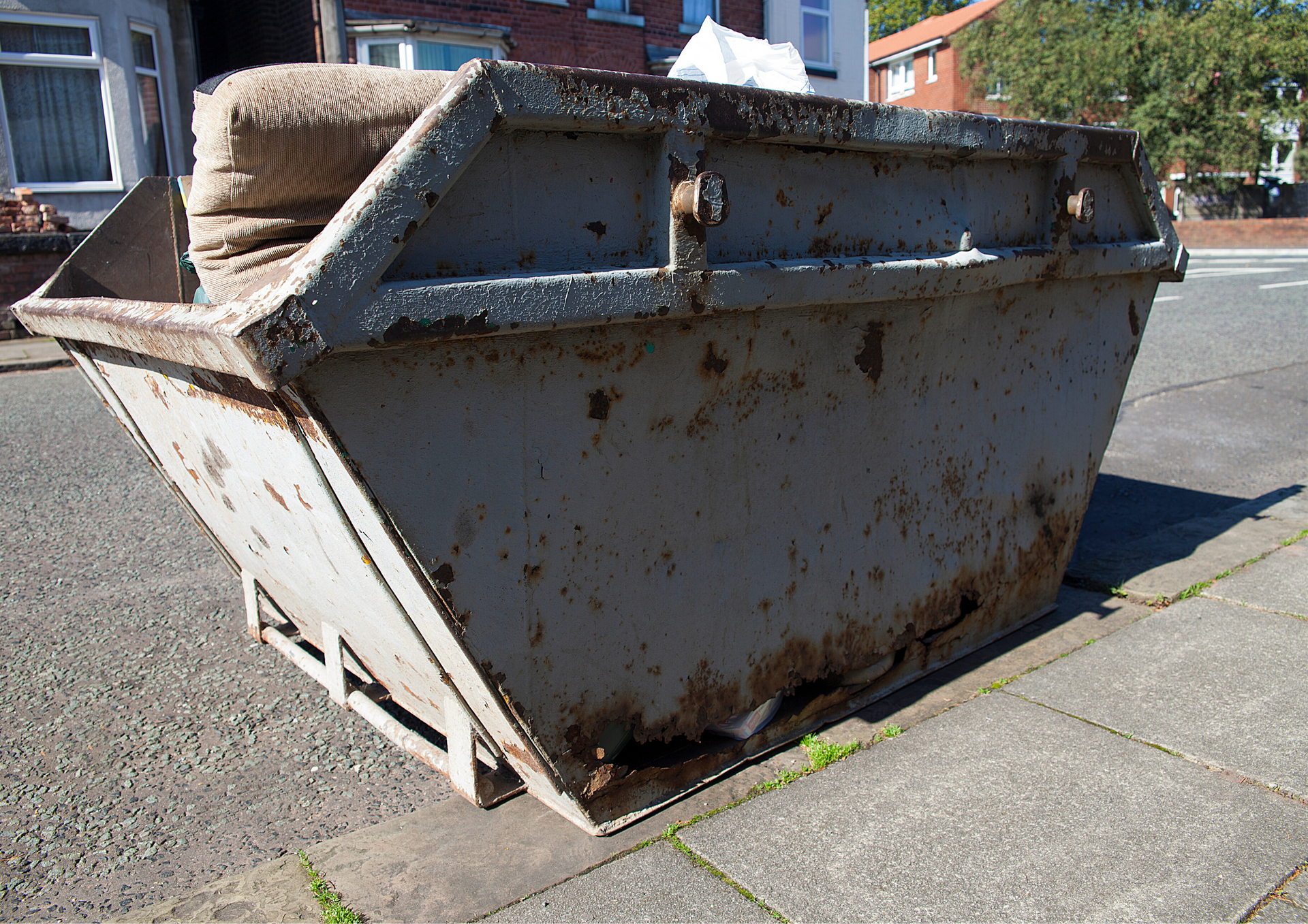
Ignoring Access Requirements, Permits, and Placement Restrictions
Rubbish skip hire delays often occur not because of availability, but due to poor planning around placement and access. Avoid unnecessary costs or setbacks by keeping these key considerations in mind:
- Access Width & Clearance: Ensure your driveway or entry point is wide enough for a skip lorry to manoeuvre and deliver safely.
- Obstructions: Parked cars, gates, overhead branches, or low-hanging wires can block delivery or collection.
- Surface Strength: Avoid placing skips on soft ground, gravel, damp grass, or steep slopes that may not support the weight of a full skip.
- Permit Requirements: Placing a skip on public roads, pavements, or restricted parking areas usually requires a council permit — book in advance to avoid fines or refusal.
- Event & Commercial Sites: For festivals, relocations, or construction sites, confirm skip access and placement with any third parties (e.g. site managers or building supervisors).
- Shared or Gated Access: Office relocations and flats with shared driveways or security gates may require special coordination or timed deliveries.
- Redelivery Risks: If placement fails due to poor access or missing permits, you may incur redelivery fees or project delays.
- Flat & Stable Ground Is Best: For safety and stability, choose a flat surface with sufficient space for skip drop-off and future collection.
- Plan Collection in Advance: If you need fast removal during a clear-out, ensure skip access is available throughout — not just on delivery day.
Booking Too Late and Failing to Plan for Collection
Timing is one of the most underrated aspects of waste management. Many people call for skip only once debris has already piled up, forcing them to rush decisions around size, price, regulations, and availability. During busy periods — spring renovations, summer landscaping, or large construction seasons — skip supply can run low, meaning bookings must be arranged well in advance.
Construction companies working under schedule pressure know how valuable tight planning can be. If waste accumulates faster than expected, work slows, equipment stalls, and site hazards increase. Homeowners renovating kitchens or bathrooms also benefit from structured disposal timelines, helping flooring, plaster, and cabinet waste leave the property quickly rather than clogging entryways and drives.
Equally important is arranging collection early. Once a skip is full, delays can obstruct work areas, create safety risks and result in additional hire charges. A simple forward-planning approach ensures smooth waste removal from start to finish, with no unexpected pauses in workflow or project outcomes.
When negotiating rubbish skip hire, aim to book delivery and collection dates simultaneously. Communicate any expected extensions early — especially if rain, structural surprises, or labour delays may slow progress. Striking the right rhythm keeps your project organised, cost-efficient, and stress-free.
Efficient skip hire is more than a simple booking — it’s an essential part of successful renovation, construction, landscaping, and commercial waste management. Choosing the correct skip capacity, identifying eligible materials, planning access and placement, and scheduling delivery early will help prevent the most common mistakes people face. With thoughtful preparation, you avoid setbacks, keep costs transparent, protect the environment, and maintain a clean, safe, and productive worksite.
Whether you’re renovating a home, landscaping a large garden, relocating an office, or coordinating site clearance for a construction project, mindful planning ensures your experience is seamless from start to finish. A little attention to detail saves time, prevents complications, and supports sustainable waste practices — allowing you to focus on what matters most: completing your project efficiently.
If you’re looking for a reliable, professional, and customer-focused waste management provider, Skip Hire Crewe is here to assist you. Our goal is to make waste removal simple, transparent, and hassle-free for every customer — from homeowners and DIY renovators to commercial contractors and large construction sites. We offer dependable service, flexible sizing, responsive support, and guidance on waste types, access, permits, and placement. With You can book confidently knowing you’ll receive a smooth, well-managed waste solution backed by experience and professionalism every step of the way.
Just out on X:
Rubbish skip hire made easy – avoid the biggest booking mistakes!
You might also like